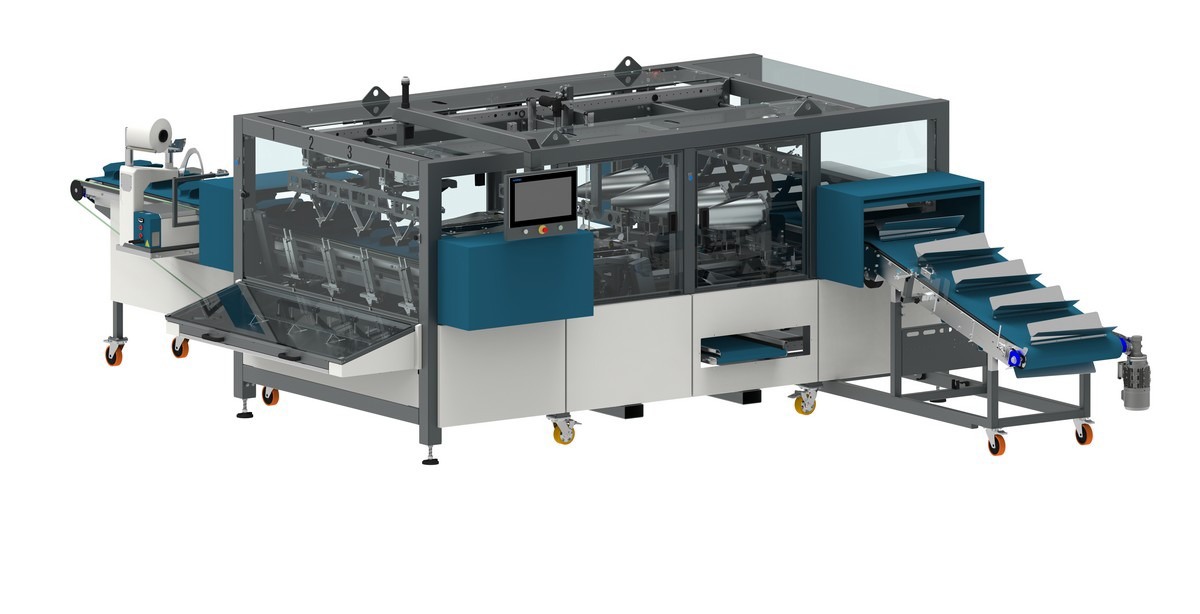
Packaging automation continues to evolve as brands seek efficiency, product protection, and enhanced shelf appeal. One technology gaining attention across industries is the sleeving machine, which applies shrink or stretch sleeves around products for labeling and branding. While direct industrial data is limited in the provided source, developments in sportswear innovation, retail strategies, and digital commerce technologies highlight broader forces that influence packaging and automation needs. These signals provide useful insight into how equipment like sleeving machines becomes relevant in modern supply chains.
The Rise of Performance Apparel and Product Packaging Needs
A key trend influencing packaging technology demand is the growing emphasis on technical apparel and specialized sportswear. For example, outerwear brand K-Way recently partnered with Australian snowboarder Scotty James as a brand ambassador and introduced a capsule collection featuring snowboard jackets, pants, and accessories made from waterproof data fabrics. Notably, the apparel features materials designed to withstand up to 20,000 mm of water column pressure, indicating a strong focus on advanced fabric performance and durability.
Why This Matters for Sleeving Machines
High-performance apparel products often require protective, tamper-resistant, and visually appealing packaging, particularly for retail and e-commerce distribution. Sleeving systems support these needs by enabling:
- Full-body product labeling
- Durable branding sleeves
- Efficient automated packaging lines
Retail Innovation Is Changing Packaging Requirements
Another trend shaping equipment demand is the transformation of retail strategies. Retailer PacSun launched PS Vintage, a curated vintage clothing assortment developed with input from its Gen Z Youth Advisory Council. The collection includes items such as graphic T-shirts, denim, jackets, and branded apparel from multiple legacy brands.
Implications for Packaging Automation
Curated retail collections and limited-edition drops create operational challenges for brands:
- Smaller production batches
- Rapid restocking cycles
- Increased need for adaptable packaging systems
Sleeving machines support these dynamics because they allow fast label changes and flexible product runs.
Digital Commerce and AI Are Reshaping Fulfillment
E-commerce technology is also reshaping the packaging landscape. Fanatics recently partnered with the e-commerce platform Rokt to deploy AI-powered technology that personalizes offers before and after checkout across its online retail ecosystem. The Rokt Network reportedly powers over 7.5 billion transactions globally and recorded more than $600 million in sales in 2024.
Why This Signals Growth for Packaging Equipment
As online transactions scale, fulfillment operations must process higher order volumes efficiently. Packaging automation becomes essential in these environments.
Sleeving machines contribute by enabling:
- Faster product labeling and branding
- Reduced manual packaging effort
- Consistent product presentation for shipments
Technology Trends That Influence Sleeving Equipment Demand
Even though the source focuses on retail and apparel developments, several broader trends emerge that are relevant to packaging automation.
Conclusion
Next Move Strategy Consulting’s View on the Sleeving Machines Market
From a strategic consulting perspective, organizations evaluating opportunities in the Sleeving Machines Market should consider several structural signals emerging from retail and product innovation trends.
- Align With High-Growth Product Segments
Technical apparel, sportswear, and premium retail items often require sophisticated packaging solutions.
Strategic insight:
Focus on sectors where product innovation and brand presentation are critical.
- Support Flexible Production Lines
Retail models are shifting toward capsule drops, seasonal launches, and limited editions.
Strategic insight:
Sleeving equipment that supports quick format changes will have a competitive advantage.
- Integrate With Digital Fulfillment Systems
AI-enabled commerce platforms are expanding transaction volumes globally.
Next Steps
Organizations exploring opportunities in packaging automation should consider the following actions:
- Evaluate emerging retail formats such as capsule launches and curated product drops.
- Invest in adaptable packaging systems that support short production runs.
- Integrate packaging lines with e-commerce fulfillment workflows.
- Monitor apparel innovation trends, particularly technical fabrics and performance gear.
- Assess AI-driven commerce platforms that increase packaging throughput.
Final Takeaway
Together, these forces create the operational conditions in which sleeving machines become increasingly relevant in modern packaging ecosystems.
About the Author
Sugata Kar is a content writer specializing in transformation-focused, insight-driven narratives. She creates research-backed content aligned with evolving business priorities, digital trends, and audience needs. Her work helps organizations communicate clear value propositions, strengthen visibility, and convey strategic intent effectively. With a data-informed storytelling approach, she prioritizes clarity, relevance, consistency, and measurable digital impact across platforms.